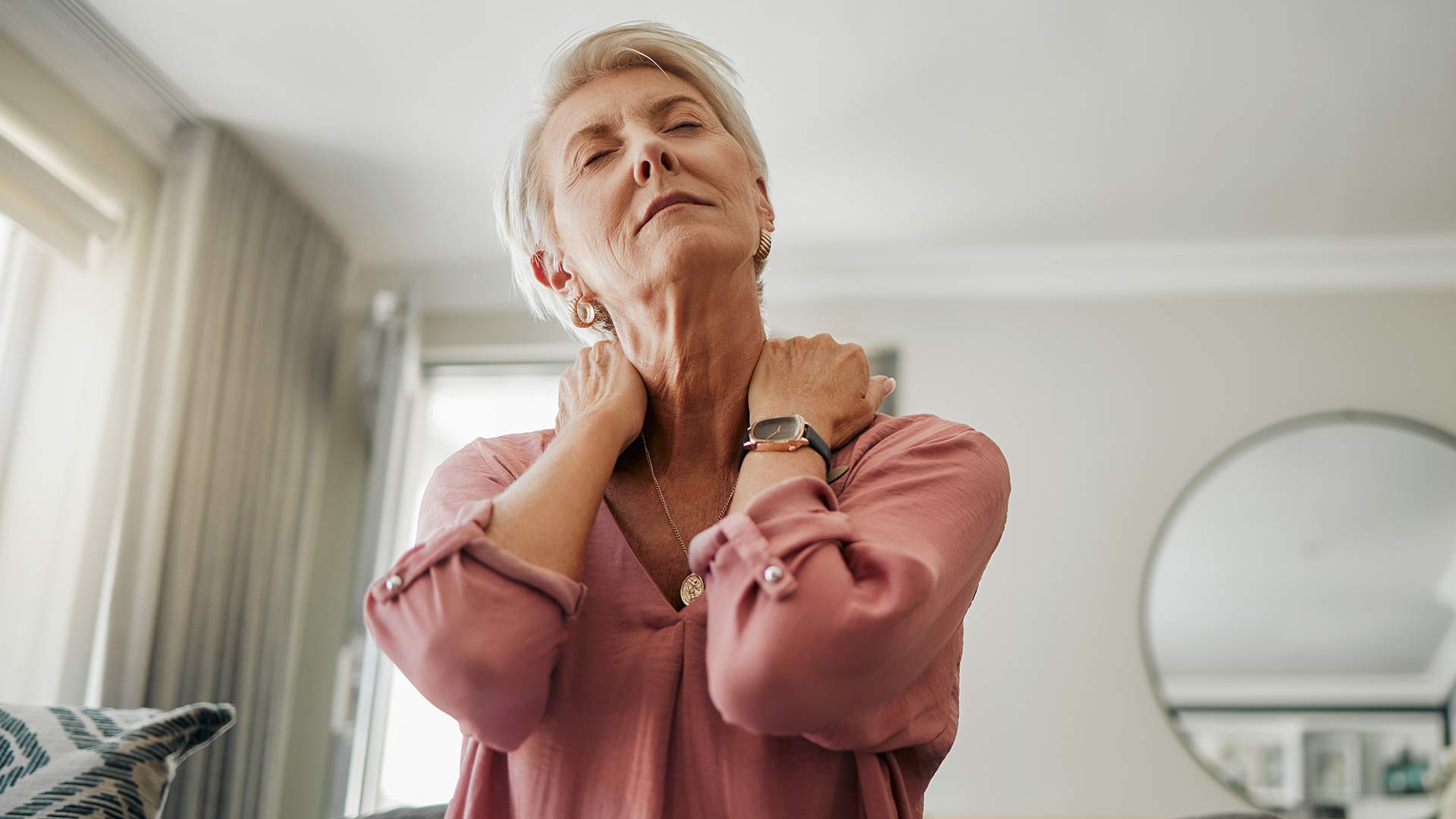
Parkinson’s: symptoms and accompanying symptoms

Parkinson’s disease is more than just a movement disorder. Also known as “shaking palsy”, the disease is complex and affects many aspects of life, often long before the characteristic motor symptoms such as tremors and stiffness appear. Early signs can be subtle and easy to miss, while the disease progressively affects more areas of the body and mind as it progresses. It is therefore important to be aware of both the main symptoms and the less well-known accompanying symptoms in order to better understand the disease and be able to act in time.
In this article, we shed light on the variety of symptoms of Parkinson’s, how they develop and what impact they can have on your everyday life or that of an affected relative.
Cause for the development of Parkinson’s symptoms
Parkinson’s symptoms are caused by the death of nerve cells in the brain stem, more precisely in a dark area called the substantia nigra (“black substance”). These cells produce the neurotransmitter dopamine, which plays a central role in the coordination and execution of movements and also has a decisive influence on our mental well-being and mental performance. Dopamine is necessary to initiate and fine-tune movements. The characteristic movement disorders in Parkinson’s disease only occur when more than 50 percent of the dopamine-producing cells in the substantia nigra have already been lost.
Early symptoms: first signs of Parkinson’s disease
What happens before Parkinson’s disease is diagnosed? The first signs of Parkinson’s are often unspecific and can easily be overlooked. However, it is precisely these early symptoms that can provide valuable indications that something is changing in the body. The first inconspicuous signs often appear years before the typical motor symptoms, such as a reduced sense of smell, slight sleep disturbances or sudden mood swings. The earlier these warning signs are recognized, the better the chances of positively influencing the course of the disease.
The most important early symptoms of Parkinson’s disease
- REM sleep behavior disorder: An important early sign of Parkinson’s is REM sleep behavior disorder, in which those affected dream vividly, talk, scream or move in their sleep. This disorder is considered a significant precursor to Parkinson’s and other neurodegenerative diseases.
- Loss of the sense of smell (hyposmia or anosmia): Another common early symptom is the loss of the sense of smell. Many sufferers notice that they can no longer perceive smells or that their sense of smell has diminished significantly.
- Depressive moods and anxiety: Depressive moods or anxiety can also be early signs. These psychological changes often occur long before the motor symptoms and are not always immediately associated with Parkinson’s disease.
- Constipation: Another non-specific sign is constipation, as the autonomic nervous system, which controls the bowel, can also be affected.
- Exhaustion and tiredness: Many sufferers also report a general feeling of exhaustion and tiredness that they cannot explain.
Parkinson’s symptoms: Cardinal symptoms – an overview
The main symptoms of Parkinson’s mainly affect motor skills. They usually develop slowly and intensify as the disease progresses. Parkinson’s disease manifests itself through a characteristic combination of symptoms known as cardinal symptoms. These include trembling (tremor), muscle stiffness (rigor) and slowness of movement (bradykinesia). Postural instability (postural instability), which is no longer a cardinal symptom (according to the 2025 guideline), often develops later in the course of the disease. These main symptoms characterize the picture of the disease and play a central role in the diagnosis. Even though each of these symptoms can occur individually, it is their interaction that makes Parkinson’s so distinctive.
How the cardinal symptoms of Parkinson’s disease manifest themselves
- Tremor (trembling): Tremor is the best-known symptom of Parkinson’s disease. It is a tremor that often starts on one side, usually in one hand or arm. Typically, the tremor occurs at rest and disappears when the affected person makes a conscious movement.
- Bradykinesia (slowing of movement): Bradykinesia means that movements become slower and more cumbersome. Those affected notice that everyday tasks such as getting dressed, eating or writing take longer. The facial muscles can also be affected, which can lead to a rigid facial expression, the so-called “mask face”.
- Rigor (muscle stiffness): Rigor is a persistent stiffness of the muscles. This muscle stiffness often affects the arms, legs or neck and can cause both pain and restricted movement. Rigor is typically characterized by the “cogwheel phenomenon”, in which the movement of a stiff joint feels jerky and gradual.
In addition to these main symptoms, many sufferers also experience gait disturbances. The gait becomes smaller, those affected often shuffle and have difficulty starting (start inhibition) or stopping (freezing) their gait. These problems can make walking considerably more difficult and increase the risk of falls.
Postural instability, which means a lack of stability in posture, also manifests itself in balance disorders and is one of the most common symptoms of Parkinson’s disease. Those affected have difficulty standing or walking safely and can no longer reliably maintain their balance, which significantly increases the risk of falls.
Accompanying symptoms of Parkinson’s: what else is there?
Parkinson’s disease is often associated with the classic main symptoms such as tremors, muscle stiffness and slowness of movement. However, the disease is far more complex. In addition to the motor symptoms, there are often many accompanying symptoms that can have a significant impact on the lives of those affected. These non-motor symptoms are just as important to recognize and treat, as they contribute significantly to quality of life. From sleep disorders and depression to digestive problems – the accompanying symptoms of Parkinson’s are numerous and affect both the body and the mind.
Non-motor accompanying symptoms of Parkinson’s disease
- Sleep disorders: Many people with Parkinson’s suffer from sleep problems. These include not only the aforementioned REM sleep behavior disorder, but also difficulty falling asleep, waking up frequently during the night and excessive daytime sleepiness. Sleep disorders can exacerbate the symptoms of Parkinson’s and make fatigue even worse.
- Cognitive changes: Cognitive impairments can occur as the disease progresses. This includes difficulties with concentration, planning tasks or remembering information. In advanced stages, dementia can also develop, which is accompanied by memory loss and confusion.
- Depression and anxiety: Mental symptoms such as depression and anxiety are common in Parkinson’s disease. These symptoms can occur both as early signs and later in the course of the disease. They have a significant impact on quality of life and should definitely be treated.
- Vegetative disorders: Parkinson’s also affects the autonomic nervous system, which can lead to various vegetative disorders. These include constipation, problems with bladder function, excessive sweating or fluctuations in blood pressure. These symptoms can also have a significant impact on everyday life and require targeted treatment.
- Pain and discomfort: Many people with Parkinson’s report pain caused by muscle stiffness or nerve disorders. This pain often occurs in the neck, back or limbs and can become chronic. Sensory disturbances such as tingling or numbness are also not uncommon.
Parkinson’s symptoms: Early detection and treatment
It is crucial to recognize Parkinson’s as early as possible in order to treat the disease in the best possible way and to maintain quality of life. If you notice one or more of the symptoms mentioned above in yourself or in a relative, you should definitely consult a doctor as soon as possible. An early diagnosis opens up the possibility of starting treatment at an early stage and thus slowing down the progression of the disease and controlling the symptoms more effectively.
This is why it is so important to take not only the motor symptoms but also the non-motor accompanying symptoms seriously. These can have a major impact on the lives of those affected and should therefore be taken into account as part of the treatment. Modern therapeutic approaches include drug treatments as well as physiotherapy, occupational therapy, speech therapy and psychosocial support in order to take into account the various aspects of the disease.
Stay alert for possible signs and make sure that you and your loved ones or your affected relative are well informed. An open exchange with the medical team and self-help groups and the use of supportive aids can help you to cope better with the challenges of the disease.